Before you go, see it all live
100% Free · No sign-upEvery market on one screen, live and free. Here is what is waiting on the dashboard:
- Panels that rotate through more markets on their own
- An info icon on every instrument with a plain-English explainer
- Turn any card into a live news feed that stays put across refreshes
- A knowledge hub of in-depth market guides to sharpen your edge

So far, most AI has lived on a screen. It writes, answers and draws, but it cannot pick anything up. Physical AI is the next step: AI that gets a body and acts in the real world. Humanoid robots, factory and warehouse machines, self-driving cars, drones and surgical robots are all Physical AI.
The same chips, models and data centers from the AI stack sit underneath it, plus a new set of parts on top: sensors to see, motors to move, and a body to live in. This guide walks that stack in simple words, with a few representative listed companies and their live prices.
This page is for learning, not financial advice. The companies are representative examples, not recommendations, and prices are delayed or last-traded, for context only.
The Physical AI stack at a glance
Representative examples, not recommendations.
What is Physical AI?
The simple idea: a chatbot lives in a text box. Physical AI lives in a machine that can sense, decide and move. It has to handle the messy real world, a dropped tool, a person walking past, a box in the wrong place, not just words on a page.
That is the leap. Old robots repeated one fixed motion forever. A Physical AI robot uses AI models to look at a scene it has never seen before and work out what to do. Companies like Nvidia call this the shift from software AI to machines that act, and it is why robotics is suddenly moving fast.
The robotics stack: brains, senses, muscles, body
A Physical AI machine is built from four things. It helps to picture them like a person:
- Brains · the edge AI chip that runs the model inside the robot, so it can think without calling the cloud.
- Senses · cameras, lidar and other sensors that let it see and feel its surroundings.
- Muscles · the motors and actuators that actually move the arms, legs or wheels.
- Body · the humanoid, arm, cart or vehicle that carries it all and does the work.
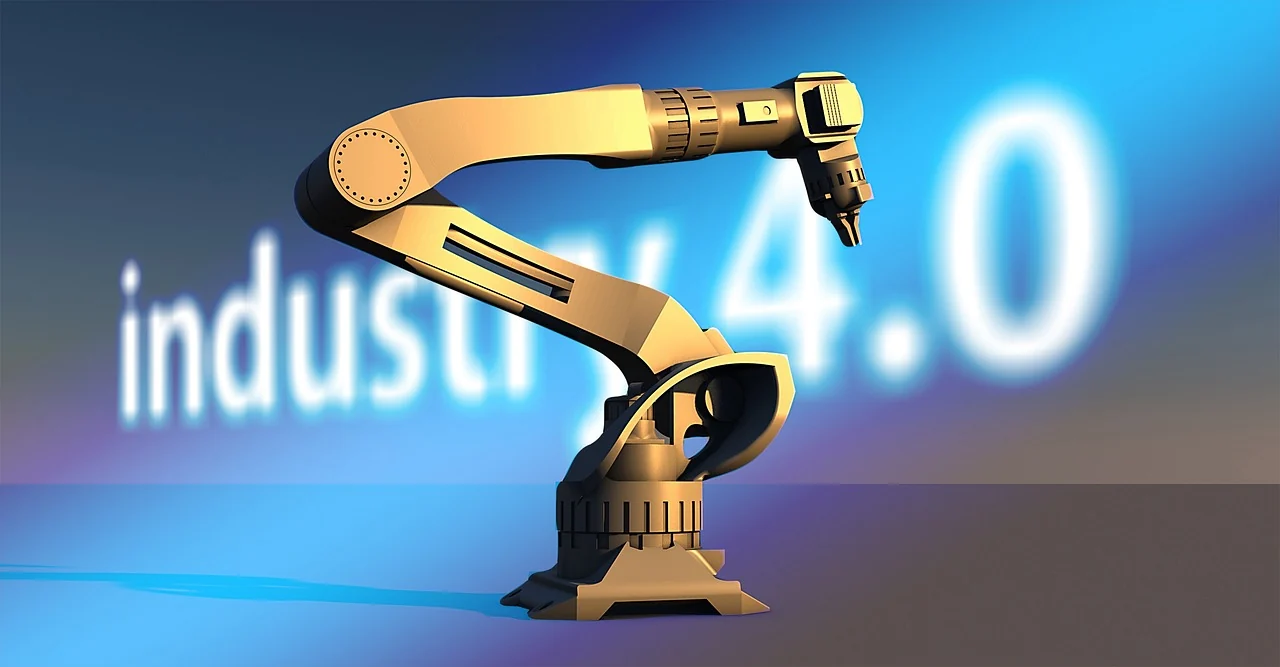
The brain layer is where the AI chip makers meet robotics. Nvidia leads here, its Jetson modules and Isaac software are built to be the brain inside a robot, but it is not alone. Qualcomm (robotics and drone platforms), AMD (through its Xilinx adaptive chips) and Ambarella (edge AI vision) all make chips that give machines their brains.
- Nvidia (Jetson, Isaac) NVDA–
- Qualcomm (robotics platforms) QCOM–
- AMD (Xilinx adaptive chips) AMD–
- Ambarella (edge AI vision) AMBA–
Humanoids: robots shaped like us
The simple idea: the world is built for human bodies, doorways, stairs, tools, shelves. A robot shaped like a person can, in theory, step into that world and do human jobs without rebuilding the whole factory around it. That is the bet behind the humanoid race.
Tesla's Optimus is the best-known listed example, and Tesla also runs one of the largest real-world self-driving programs. Many of the other leaders, Figure, Boston Dynamics (owned by Hyundai), Agility Robotics and 1X, are still private, so listed exposure to humanoids is mostly indirect for now.
- Tesla (Optimus, self-driving) TSLA–
Factories and warehouses: robots already at work
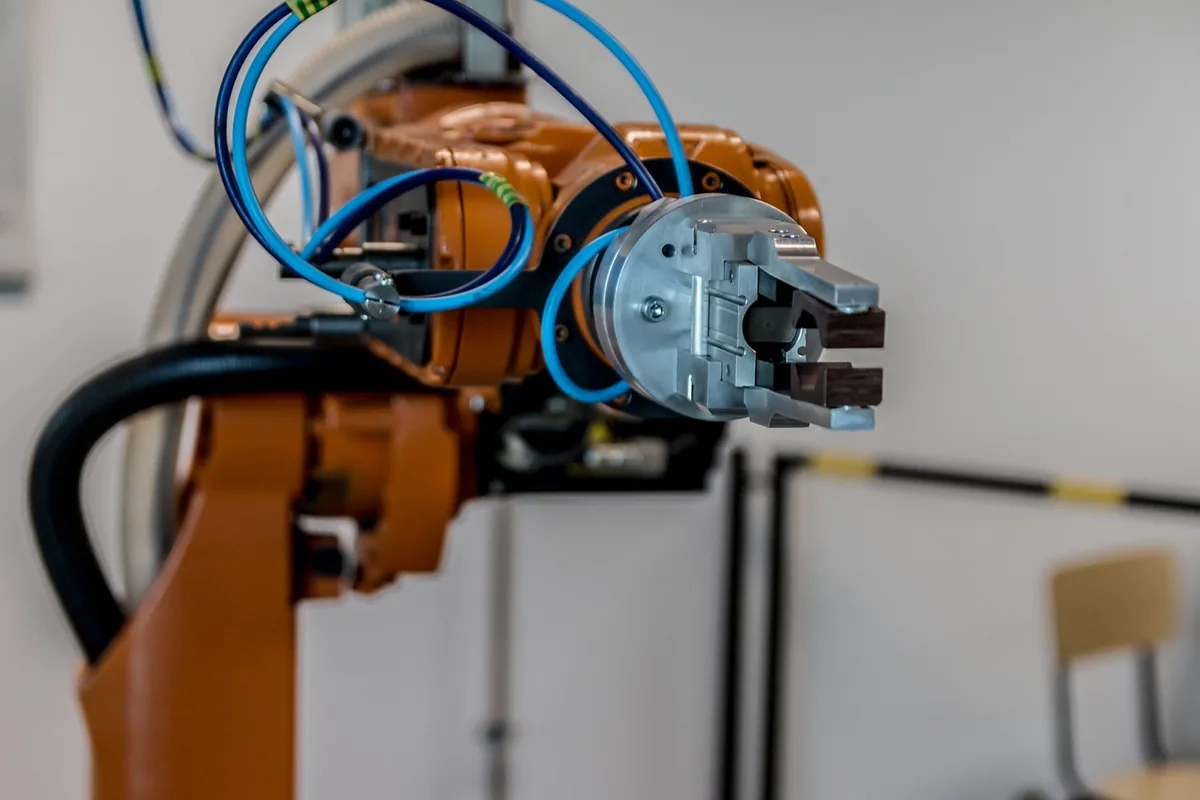
Long before humanoids, robots were already earning their keep in factories and warehouses. This is the most real, most profitable slice of Physical AI today: machines that move boxes, weld, pick orders and pack, all day, without a break. According to the International Federation of Robotics, millions of industrial robots are already in service worldwide.
- Symbotic (warehouse robotics) SYM–
- Rockwell Automation ROK–
- ABB (industrial robots) ABBNY–
- Teradyne (Universal Robots) TER–
- Intuitive Surgical (surgical robots) ISRG–
- Zebra Technologies (sensing) ZBRA–
Wheels: self-driving is Physical AI too
A self-driving car is a Physical AI robot that happens to have wheels. It uses the same recipe, sense the world, decide, and move safely, just at 100 km/h with lives on the line. It is one of the hardest and highest-value versions of the problem.
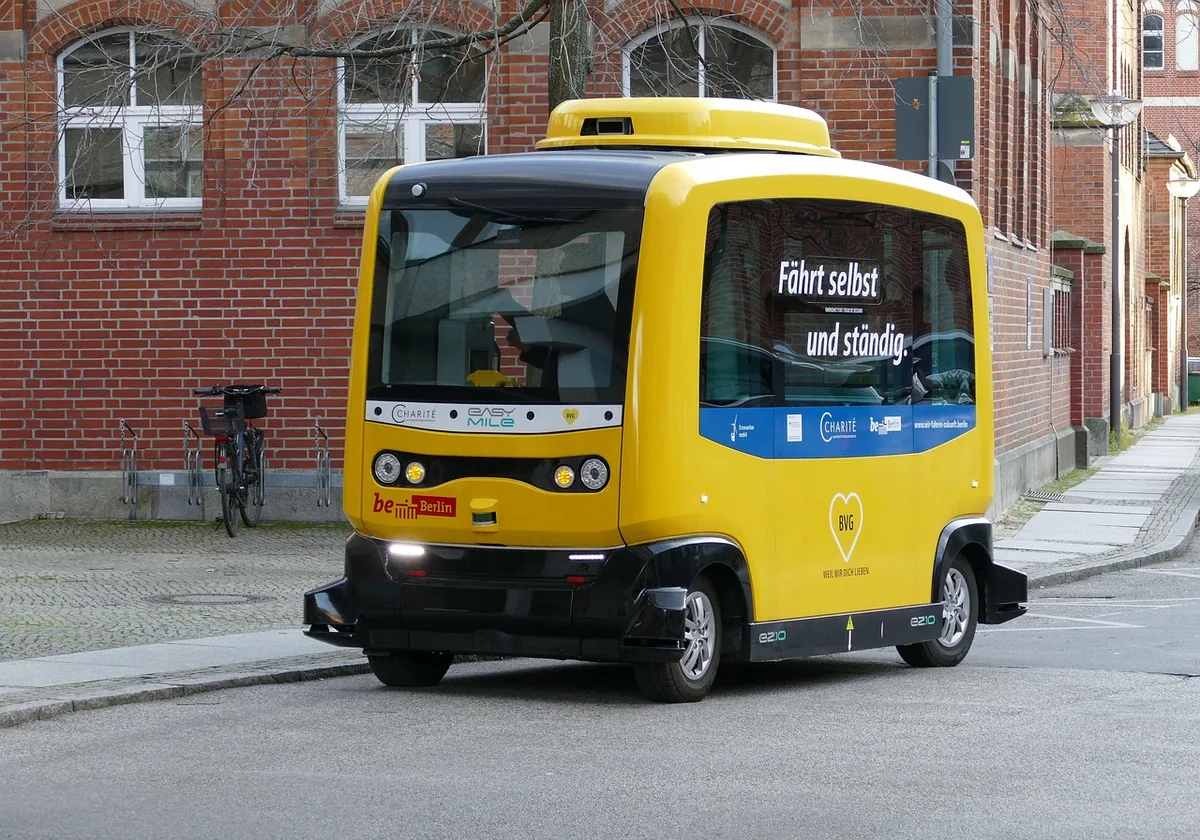
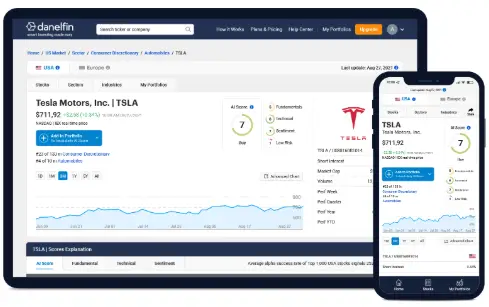
Tesla (above) andNvidia (whose chips power many vehicle platforms) are the most direct listed ways to watch this theme, with Alphabet's Waymo the best-known robotaxi effort inside a larger company.
Physical AI sits on top of the AI stack
Every robot brain runs on the same foundation as every chatbot: chips, cloud, power and models. So Physical AI does not replace the AI stack, it is a new floor built on top of it, and it pulls even more demand down through chips and electricity. Read the full AI stack guide, or watch the chipmakers, cloud names and the whole market move live on the Global Markets Dashboard.
Physical AI companies: who is actually building this
The awkward truth about Physical AI companies is that the purest ones are private. The names most associated with humanoids, Figure, Boston Dynamics, Agility Robotics and 1X, are not listed, so you cannot buy them directly. What is listed is the supply chain underneath them and the industrial robotics business that already earns money today.
That splits the investable universe into three groups, and they behave very differently:
- Picks and shovels. Companies selling into every robot regardless of who wins: chips and robot brains, sensors, motors and actuators. Broadest exposure, least dependent on any single humanoid succeeding.
- Robotics businesses that already work. Industrial arms, warehouse automation and surgical robots, with real revenue and customers now. Less exciting, far less speculative, and the part of the market that is not a bet on the future.
- Humanoid bets. Mostly private, with listed exposure indirect, usually a small line inside a much larger company. Anyone telling you a listed stock is a pure humanoid play is usually describing a rounding error in that company's revenue.
The stack sections above walk each layer with representative listed names and their live prices. The important caveat: a company appearing in one of those layers does not make it a Physical AI company. For most of them robotics is one segment among many, and the robotics revenue is small next to the rest of the business.
How big is the Physical AI market?
Be careful with the numbers you will see quoted. Published forecasts for the Physical AI market disagree wildly, from tens of billions to several trillion by the mid-2030s, because they are not measuring the same thing. Some count only robot hardware, some add the software and services, some fold in autonomous vehicles, and the most dramatic ones price in humanoid labour replacement that has not happened yet. A forecast that assumes millions of working humanoids will always dwarf one that counts factory arms actually shipped.
What can be observed rather than forecast is more useful:
- Industrial robotics is a real, measured market today. Annual installations of industrial robots are tracked by the International Federation of Robotics, and the demand is concentrated in Asia, led by China, with automotive and electronics the largest buyers.
- Warehouse automation is the segment with proven economics. The business case (labour shortages, throughput, 24-hour operation) already pays for itself, which is why it is scaling without needing a technology breakthrough.
- Humanoids are pre-revenue at scale. Pilot deployments exist, unit costs are falling, and no one has yet shown a humanoid doing general work profitably. This is the segment carrying almost all the forecast growth and almost all the risk.
- The bottleneck is physical, not digital. Batteries, actuators, hands and reliability limit progress more than the AI models do. Robot dexterity is far behind robot perception.
The practical takeaway: treat the trillion-dollar headlines as scenarios rather than measurements, and separate the part of this market that already earns money from the part that is a bet on the 2030s.
Common questions
What is Physical AI?
AI that acts in the real world through a body instead of only on a screen: humanoid robots, factory and warehouse robots, self-driving cars, drones and surgical robots. It senses its surroundings, decides, and takes physical action.
How do you invest in Physical AI or robotics?
Picture a stack: the brains (edge AI chips), the senses (cameras and lidar), the muscles (motors and actuators) and the bodies (humanoid, industrial and warehouse robots, plus self-driving). You can gain exposure at any layer through listed companies or broad robotics and automation funds. Educational, not financial advice.
What are some humanoid robot or Physical AI stocks?
Representative listed names include Nvidia (robot brains), Tesla (Optimus and self-driving), Symbotic and Rockwell (warehouse and factory), ABB and Teradyne (industrial and collaborative robots), Intuitive Surgical (surgical robots) and Zebra (sensing). Leading humanoid makers like Figure, Boston Dynamics and Agility are still private. Examples, not recommendations.
Is Physical AI the same as robotics?
They overlap. Robotics is the machine; Physical AI is the intelligence that lets the machine handle a messy, unfamiliar real-world scene instead of repeating one fixed motion. Modern robots increasingly are Physical AI.
Is investing in Physical AI risky?
Yes. Many names are early, unprofitable or richly valued, and several leaders are still private, so listed exposure is indirect and can be volatile. This is for learning, not a recommendation. Do your own research.
Which companies are Physical AI companies?
The purest ones are private: Figure, Boston Dynamics, Agility Robotics and 1X are not listed. The listed universe splits three ways: picks and shovels selling into every robot (chips, sensors, motors), robotics businesses already earning revenue today (industrial arms, warehouse automation, surgical robots), and indirect humanoid exposure inside much larger companies. For most listed names robotics is one segment, not the whole business. Examples, not recommendations.
How big is the Physical AI market?
Forecasts range from tens of billions to several trillion by the mid-2030s because they measure different things, and the biggest numbers assume humanoid labour replacement that has not happened. Industrial robotics is a real measured market today, warehouse automation is the segment with proven economics, and humanoids are pre-revenue at scale, carrying most of the forecast growth and most of the risk.
Is there a Physical AI crypto or token?
Tokens marketed around robotics and machine economies (DePIN) exist, but holding one is not exposure to the Physical AI industry: it carries no claim on any robot maker's revenue, and prices have tracked crypto cycles rather than robotics fundamentals. Treat them as speculative crypto, not as a way to invest in Physical AI.
Explore the markets
Partner platforms (sponsored). We may earn a commission if you sign up. Not a recommendation or financial advice.



Images from Pixabay (free to use). This guide is supported by affiliate partnerships; some broker and tool links are sponsored, at no extra cost to you.

Social Sentiment - Top 15 Stocks
Social sentiment is unavailable right now.